

Why Traveling Thailand Without A Plan Can Ruin Your Trip

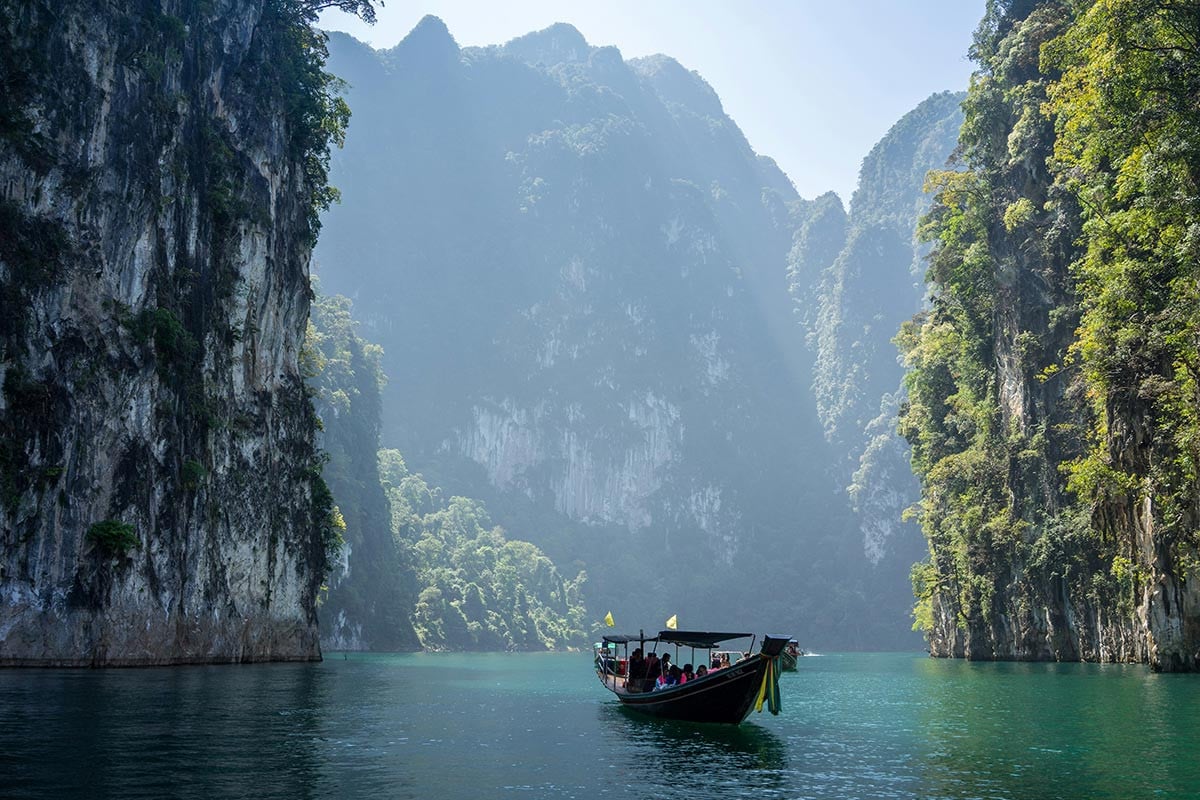
Thailand has a way of pulling you in before you even arrive. The colors, the food, the warmth of the people — it all feels effortless from the outside. And in many ways, it is.
Over the past 20 years of travel, I’ve become something of an island-hopping junkie — and along the way, I’ve learned a lot about what actually works (and what doesn’t), especially in Thailand.
Thailand is not a destination you want to completely wing it.
Table of Contents
Why You Need a Travel Plan to Travel Thailand
I’m all for spontaneity. Some of my favorite travel moments have come from unplanned detours and last-minute decisions. But Thailand has a rhythm of its own — and when you ignore that rhythm, the experience can quickly shift from magical to frustrating.
The Myth of “Figure It Out As You Go”
There’s a common belief that Thailand is easy to navigate on the fly. And while that can be true in certain places, it’s not the full picture — especially if you’re moving between islands, traveling during peak season, or trying to balance comfort with adventure.
Boats don’t always run as frequently as expected. Weather changes quickly. On smaller islands, there are fewer places to stay — and they often book out sooner than you’d think.
Connections between islands often require far more coordination than most people realize. I’ve watched travelers lose entire days of their trip simply trying to get from one place to another — especially when they didn’t check ferry schedules ahead of time.
When you’re only in Thailand for a week or two, those lost days matter. They don’t just affect logistics — they affect how the whole trip feels.
And when you’re only in the country for a limited window, those lost days add up fast.
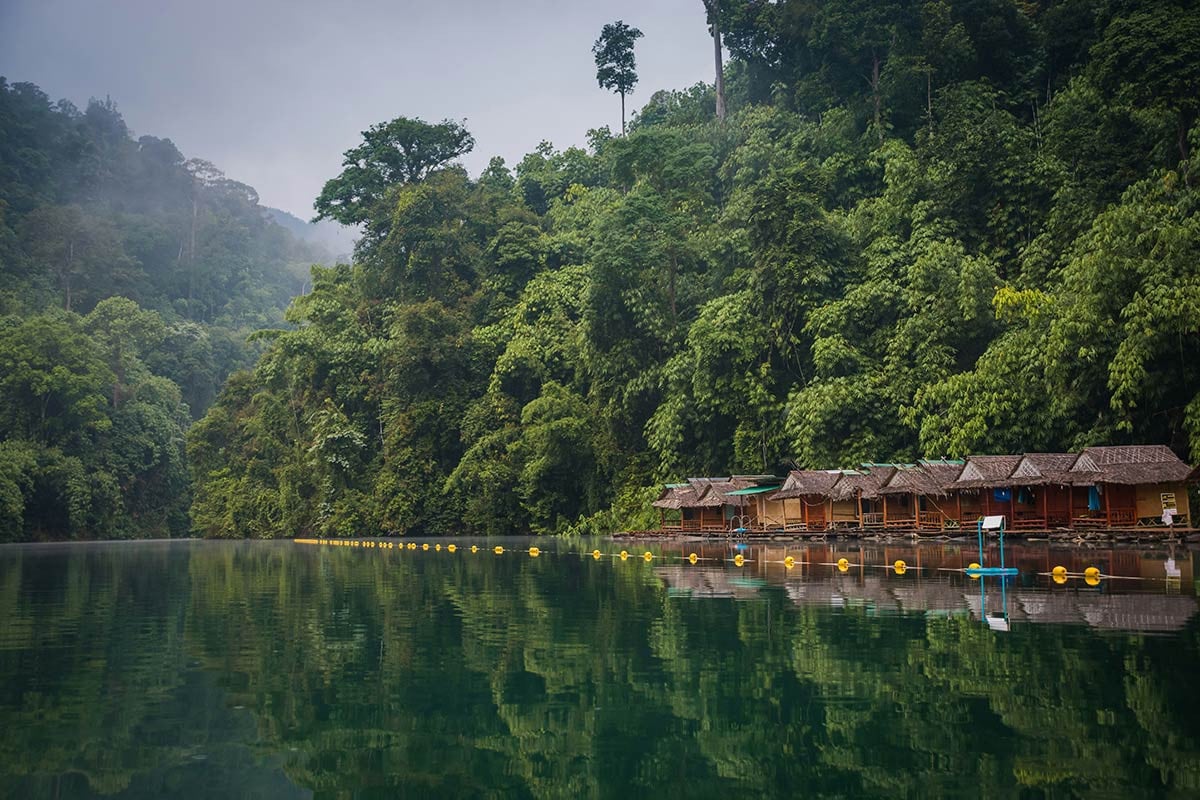
There are also small but important logistics that are easy to overlook. For example, travelers now need to understand the Thailand Digital Arrival Card requirement and how to complete it before arrival — something that’s simple when planned for, but stressful if you’re scrambling at the last minute. (Here’s a step-by-step guide to walk you through the process.)
It’s not just about the logistics, it’s about how much mental energy goes into constantly figuring things out. Where to stay. How to get there. Whether a ferry is available. If a hotel actually has availability or reliable Wi-Fi. If an area is safe and walkable, or if I’ll need to rent a motorbike in order to easily explore.
Instead of feeling present, you can easily get stuck in problem-solving mode.
And that’s the thing people don’t talk about enough: too much uncertainty can quietly steal the joy from a place that’s meant to feel freeing.
Having a plan doesn’t mean scripting every hour of your day. It means creating space to actually enjoy where you are.
When I started traveling with more intention — booking hotels in advance, choosing locations that aligned with how I wanted to feel, and giving myself breathing room between transitions — everything shifted. I was able to experience a destination, rather than frantically running from one location to another.
I wasn’t rushing to make a boat or scanning my phone for last-minute accommodation. I was swimming at sunrise, lingering over meals, and saying yes to moments simply because I had the capacity to do so.
Island Hopping in Thailand Made Easy
Island hopping in Thailand sounds romantic in theory, and sometimes it truly is. But it’s also one of the easiest ways to underestimate how much energy travel actually takes.
Popular routes like Koh Samui to Koh Tao may look simple on a map, but in reality, they often depend on ferry schedules that are worth checking ahead of time. Connections can vary by season, weather, and even days of the week, and missing one boat can easily ripple into an entire lost day of travel.
For that specific route, I always recommend checking Koh Samui ferry schedules in advance — not to over-plan, but to give yourself clarity and breathing room. Knowing what’s realistic allows you to move through the islands with more ease instead of stress.
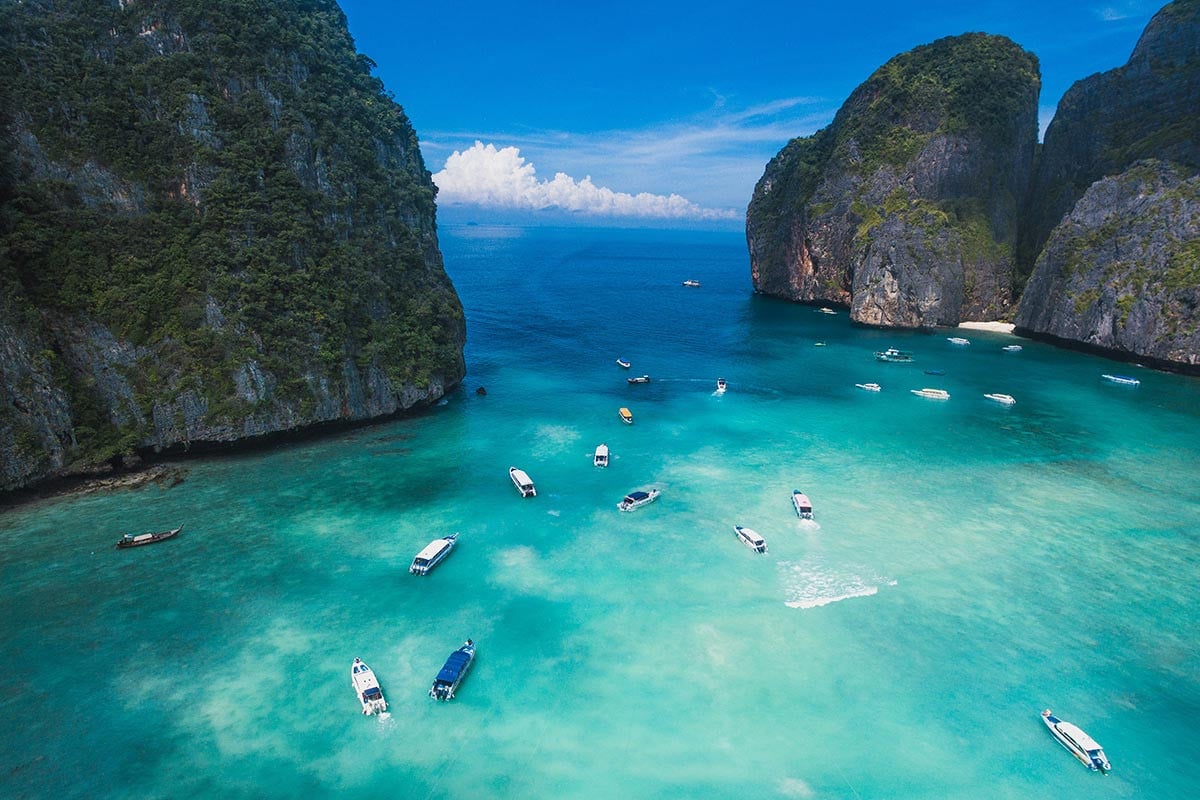
If you’re moving between popular islands like Phuket, Koh Phi Phi, Koh Lanta, Koh Samui, and Koh Tao, try to build in buffer days. Give yourself time to arrive, unpack, rest, and actually enjoy where you are before rushing off to the next stop. Those in-between moments often become the most memorable part of the trip.
I’ve found that choosing fewer islands — and staying a little longer in each — creates a more enjoyable trip overall. You’re not constantly watching the clock or worrying about making the next connection. Instead, you get to settle into the rhythm of island life.
Island hopping can be beautiful, but only when it supports your experience — not when it exhausts it.
There are travelers who thrive on complete spontaneity. If you have unlimited time, flexibility, and patience, it can be incredibly rewarding to wander without a plan.
But if you’re traveling with limited vacation days, a partner, or a desire for a certain level of comfort, a loose structure becomes a gift — not a constraint.
Read more: 10 Best Islands to Visit in Thailand
Simple Ways to Plan Without Overplanning
You don’t need a color-coded spreadsheet to travel Thailand well (even though mine definitely is). A few intentional choices can completely change how your trip feels.
Here are some realistic ways to plan without losing the magic:
1. Anchor your trip with just one or two “non-negotiables.”
Choose the places or experiences that matter most to you — maybe it’s a specific island, a resort you’ve been dreaming about, or a few nights somewhere peaceful. Let everything else orbit around those anchors instead of competing with them.
2. Book long-distance transport ahead of time.
Flights, ferries, and major transfers are where things tend to unravel. Having those confirmed — especially between islands — removes a huge layer of stress. Even knowing when ferries don’t run (like certain days or seasons) can save you hours of frustration later.
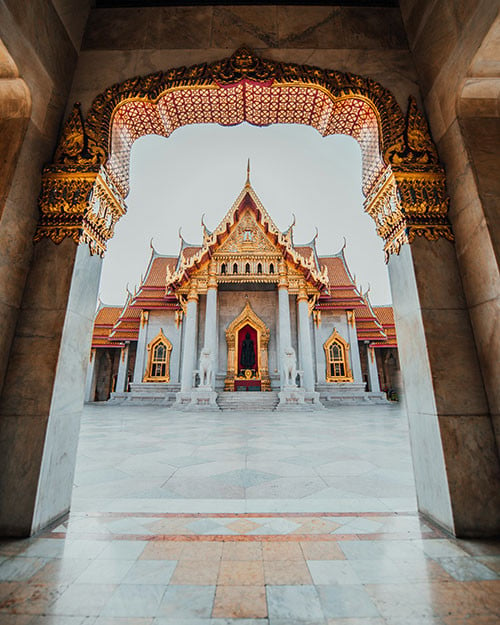
3. Leave space between destinations.
Thailand looks small on a map, but travel days can be long and unpredictable. Build in buffer days so delays don’t domino into exhaustion. One extra night in a place is often more valuable than squeezing in another stop. This small shift for me has made a huge difference in preventing travel burnout.
4. Choose accommodations that support how you want to feel.
Whether that’s a quiet beachfront stay, a centrally located hotel, or a place with on-site dining and activities — your accommodation sets the emotional tone of your trip. A good base can turn downtime into something restorative instead of restless.
5. Plan for energy, not just logistics.
It’s easy to overestimate how much you’ll want to do in a day, especially when everything feels exciting. I’ve learned to be realistic about my energy levels and to actually plan for rest — naps included.
6. Leave room for magic — but don’t rely on it.
Spontaneity works best when it has something solid to land on. A loose plan gives you the freedom to say yes without feeling like everything might fall apart if one thing changes.
Thailand is one of the most beautiful, generous, and soul-stirring places I’ve ever experienced. But it rewards those who meet it with a little intention.
You don’t need to plan everything — just enough to give yourself the freedom to actually enjoy it.
Because the magic of Thailand isn’t found in scrambling from place to place.
It’s found in the quiet moments when you finally stop rushing… and let the country reveal itself to you.
Read more: The Only Travel Planner You’ll Ever Need
Sign up for my travel newsletter here and be the first to get my best travel advice and secret finds — so you can discover hidden gems, and travel like an insider (not just a tourist).
Flights: Going is the first place I check when searching for cheap flights. If you sign up for their email alerts, you’ll receive flight deals at up to 90% off. I have traveled all over the world using their flight deals.
Accommodation: Booking.com offers savings on hotels, apartments, and villas in 80,000 destinations worldwide. You can browse hotel reviews and find the guaranteed best price on hotels for all budgets.
Travel Insurance: I never travel without a travel insurance policy because it’s not worth the risk! I use and trust Visitors Coverage, which I have used for the past 10 years.
Let me book your trip! Looking for a Travel Advisor to help you plan your trip? Learn more here!
As an Amazon Associate I earn from qualifying purchases. I’m also a member of other affiliate programs. For more info please read my Privacy Policy